
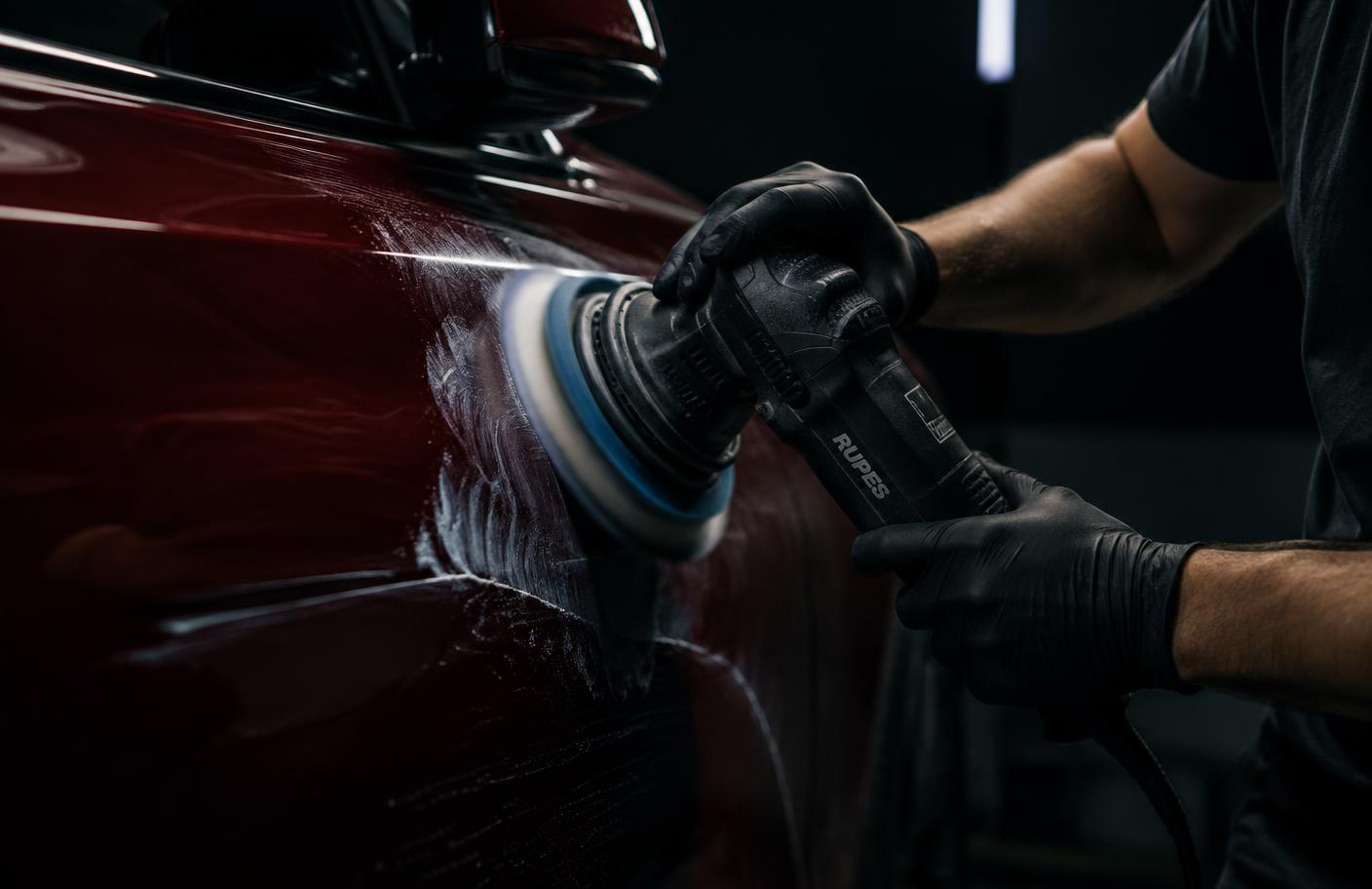
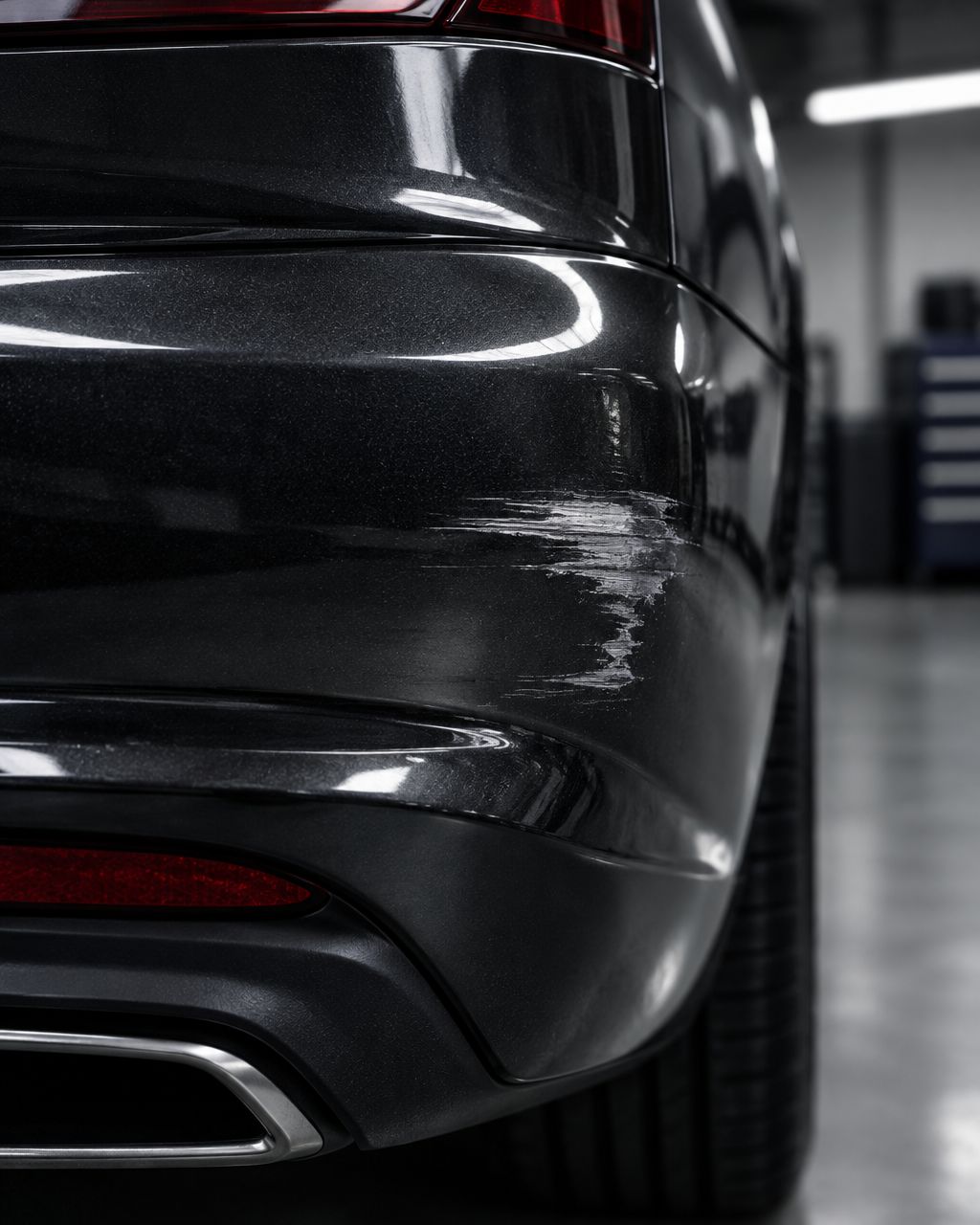
Yes. A scratched bumper can often be repaired without replacing it when the cover, attachments and surrounding components are suitable for repair. Surface damage does not automatically mean you need a new bumper, but a photo alone cannot rule out hidden damage.
TL;DR
- Bumper scratch repair depends on damage depth, material condition and the vehicle manufacturer's repair instructions.
- A surface scuff, a gouge and a crack need different assessments.
- JNG Auto Reconditioning inspects bumper damage before recommending repair or replacement.
- Send damage photos for a quote, or call to arrange an assessment in Salt Lake City.
Can a scratched bumper be repaired without replacing it?
A scratch is a reason to inspect the bumper, not an automatic reason to replace it. The plastic cover you see is only part of the bumper assembly. The finish can look badly marked while the cover remains repairable. A smaller mark can also sit beside a broken mounting point or damage underneath.
The bumper repair service at JNG Auto Reconditioning starts with that distinction. The shop evaluates the structure, attachment points, sensors, surface damage and paint before recommending a repair path.
| What inspection finds | Approach to assess | Important limitation |
|---|---|---|
| Transferred material or light surface marking | Cleaning and controlled finish correction | Removing transfer does not repair missing paint underneath |
| Scratches through the paint | Surface preparation and refinishing | The paint damage must be repaired, not simply hidden |
| A gouge in the plastic cover | Plastic repair and refinishing where suitable | Material, location and manufacturer instructions affect repairability |
| A crack, distorted cover or damaged attachments | More detailed repair-versus-replacement assessment | Appearance alone cannot establish whether the assembly is sound |
The useful question is not just whether a scratch can disappear. It is whether the bumper can be repaired properly and remain suitable for the vehicle.
Why this matters before you choose a repair
A parking scrape can look dramatic under bright light. It is understandable to want the whole cover replaced so the mark is gone. But replacing a sound cover is not automatically the right answer, just as repairing every damaged cover is not automatically appropriate.
Start with the condition of the part. Then consider the finish. That order helps separate a cosmetic problem from damage that needs a wider repair.
For a 2026 repair assessment, the vehicle's specific repair instructions matter more than a general promise that every bumper is repairable. Equipment behind the cover and previous repairs can change what is appropriate.
Surface transfer: check what is on top of the paint
A pale streak is not always exposed plastic. Material from another object can transfer onto the finish during contact. Cleaning can help reveal what is underneath, but removing that material does not establish that the paint is undamaged.
Avoid judging the repair from the color of the mark alone. A dark bumper with a white scrape can contain transferred material, damaged clear coat, missing paint or a combination. Clear coat is the transparent outer coating over the color layer.
Do not start with an aggressive household cleaner. Tell the shop what touched the vehicle and whether you have already applied a product. That information helps the technician assess the surface as it now stands.
Paint scratches: establish which layers are damaged
A shallow finish mark and a scratch through the color layer need different work. Polishing changes the existing surface; it does not replace paint that is missing. A scratch that remains visible after cleaning is not automatically a candidate for more polishing.
A proper assessment considers the scratch depth, surrounding finish and how the repaired area will blend into the rest of the bumper. Preserving sound paint is a useful goal, but it cannot come at the expense of preparing damaged areas correctly.
If someone promises a perfect result from a photo without discussing the paint condition, ask how they reached that conclusion. A photo helps start the conversation. It does not replace a close inspection.
Gouged plastic: assess the material, not only the paint
When a scrape cuts into the plastic, refinishing alone does not restore the missing contour. The damaged material needs assessment before any paint work is planned.
Professional repair procedures distinguish cosmetic surface damage from cracks or tears that pass through the plastic. In its flexible-bumper repair guidance, 3M describes different preparation and repair steps for those conditions. That is a useful distinction for owners: two marks that look similar from a distance can need different work.
The point is not to choose a filler or repair product yourself. It is to understand why a technician needs to see the shape, depth and location of the damage before describing the repair.
Why bumper scratch repair varies between vehicles
The size of the visible mark is only part of the decision. A small scratch beside a damaged attachment or sensor area needs a different assessment from a scrape on an otherwise sound section of cover.
These factors affect the repair recommendation:
- Depth of damage. Surface marking, missing paint and missing plastic are different conditions.
- Shape of the cover. A scrape across an intact curve differs from damage with a crease or distortion.
- Attachments and fit. Loose edges, broken tabs and uneven gaps need attention beyond the finish.
- Nearby equipment. Sensors and driver-assistance components require vehicle-specific consideration.
- Previous work. Earlier paint or plastic repairs can affect what the next repair needs.
- Manufacturer instructions. The permitted repair method depends on the vehicle and the damaged area.
A bumper scratch repair assessment in 2026 should address those factors without treating the model year alone as a diagnosis. The actual vehicle, its equipment and the condition of the part determine the next step.
When does replacement make more sense?
Replacement becomes the appropriate discussion when the damaged part cannot be repaired suitably under the applicable repair instructions. That decision can involve damage to the cover itself, its attachments, the area around equipment or components behind it.
A cracked bumper is not automatically beyond repair. Equally, a bumper that still looks straight is not automatically sound. Both assumptions skip the inspection that matters.
Ask the shop to explain:
- Which part is damaged: the visible cover, its attachments or something underneath?
- What makes repair suitable or unsuitable for this vehicle?
- What additional checks are needed before the recommendation is final?
- How will the surrounding finish and fitted equipment be addressed?
At JNG Auto Reconditioning, the stated approach is to inspect first and explain the options. The shop considers all jobs after assessing the damage rather than ruling them out from a repair-category label.
JNG Auto Reconditioning is a bumper repair option for Salt Lake City owners who want the damage assessed before choosing repair or replacement.
Can you tell from photos whether the bumper needs replacing?
Photos can help a shop understand the visible damage and prepare for a conversation. They cannot show every attachment, the condition behind the cover or all the details of the paint surface.
That is why a photo-based quote request and an in-person assessment serve different purposes. The first helps explain what happened and what you can see. The second checks what a photograph leaves out.
For a useful photo set:
- Show the whole damaged corner so the shop can see where it sits on the vehicle.
- Take a closer image that shows the scratch without losing focus.
- Include a side angle that reveals dents, distortion or an uneven gap.
- Show nearby damage, warning messages or a loose edge if present.
- Explain when the damage happened and whether the bumper has been repaired before.
Take photos while parked safely. Do not pull the bumper away from the vehicle or reach behind it to demonstrate damage.
For quote requests in 2026, JNG's website provides a damage-photo upload when you select Bumper Repair. The form accepts up to 6 photos, with a 10 MB limit for each file. Those limits describe the upload, not how many pictures every repair requires.
What should you avoid before the assessment?
Avoid turning a visible scrape into a more complicated finish problem. Sanding, heating, filling or spraying the area before inspection changes the surface the technician needs to evaluate.
You do not need to make the mark look better before showing it to the shop. Clear photos of the condition as it stands are more useful than a heavily polished area that conceals some of the original evidence.
Also avoid treating a photograph of another vehicle's repair as a prediction for yours. The material, damage, finish and equipment can differ even when the cars look similar. Before-and-after images show a particular result; they do not establish your repair method.
If you already tried a scratch remover or touch-up product, say so. There is no benefit in hiding previous work, and it can help explain why the surface looks or feels different.
Does a cosmetic scrape mean the vehicle is safe to drive?
A visible scratch does not establish whether a vehicle is safe to drive. Do not use the appearance of the paint as a substitute for evaluating loose parts, wheel clearance, lights or warning messages.
If the bumper is loose, something is rubbing or you have concerns after an impact, explain those symptoms when contacting the shop. Ask about the appropriate next step rather than assuming a cosmetic repair appointment is enough.
For vehicles with driver assistance in 2026, mention any new sensor or assistance warnings after the incident. Whether a check or calibration is required depends on the vehicle and repair instructions; this article cannot determine that remotely.
FAQ
Does a scratched bumper always need replacing?
No. A scratched bumper can be repairable when its condition and the vehicle's repair instructions support repair. Inspection must consider more than the visible mark.
Can polishing fix every bumper scratch?
No. Polishing does not replace missing paint or restore gouged plastic. A technician needs to establish the depth and type of damage before choosing a method.
Can a plastic bumper with a gouge be repaired?
Some gouged plastic bumper covers can be repaired. Material condition, damage location and manufacturer instructions determine whether repair is suitable.
Will a scratch repair match the rest of the bumper?
The repair needs a finish plan suited to the existing paint. JNG assesses the paint and surrounding surface before recommending work; a photograph alone cannot guarantee a match.
Can I get a bumper repair quote by sending photos?
You can request a quote through JNG's website and include damage photos. An in-person inspection can still be needed to check attachments, hidden damage and repair suitability.
Do you assess damage beyond small bumper scratches?
JNG considers all repair jobs after inspecting the damage. Describe the full incident and any other damage when requesting an assessment.
Does a small scratch mean there is no damage underneath?
No. The size of a surface mark does not rule out hidden damage. Fit, attachments and the circumstances of the impact also need consideration.
One last thing: ask what stays, not only what changes
A clear repair explanation should tell you what can be preserved as well as what needs work. Ask whether the cover is sound, which finish areas need attention and what remains to be checked. That conversation is more useful than choosing repair or replacement from the size of a scratch.
For a bumper scratch repair assessment in Salt Lake City, request a quote and send damage photos, or call JNG Auto Reconditioning at (801) 520-1103. The next step is to understand the damage, then recommend the work the vehicle needs.
Technical reference: 3M, “How to Repair Flexible Bumpers,” professional cosmetic repair guidance reviewed October 2026. Vehicle-specific manufacturer instructions take precedence over a general repair description.